
Articles
The Power of Connection: Why Social Life is the Heart of Senior Living
When we think about senior care, we tend to focus on medical needs and physical safety. And those matter enormously. But there’s another vital sign that’s just as important for a long, full life: social connection.
For many families looking for assisted living in San Antonio, the goal isn’t just finding a place where a loved one is safe. The goal is finding a place where they can actually live. Where the days have texture and company and laughter, not just supervision.
If your loved one has been spending most of their time alone, this is worth reading carefully. Because what loneliness does to a person’s health is more serious than most families realize.
The Medical Reality of Loneliness
Social isolation is more than a feeling. It’s a measurable health risk. According to the National Academies of Sciences, Engineering, and Medicine, social isolation is associated with a 50% increased risk of dementia. Other research from the CDC suggests that chronic loneliness can be as damaging to health as smoking 15 cigarettes a day.
When seniors live alone, a pattern tends to develop. They stop participating in hobbies. They skip meals because eating alone doesn’t feel worth the effort. They lose the motivation to stay active. Movement slows. The world gets smaller. And the smaller it gets, the harder it becomes to reverse.
In a community setting, that pattern breaks. The environment is intentionally designed to pull people back into daily life, gently and naturally, through the simple presence of other people and a rhythm to each day.
How Socialization Improves Senior Health
Moving into a senior living community opens the door to daily interactions that stimulate both the brain and the body. Here’s what that looks like in practice.
Cognitive Stimulation
Having a conversation, playing a card game, learning a new craft. These aren’t just pastimes. They’re mental exercise. And that exercise is one of the most important tools for slowing the progression of memory-related conditions. Memory care programs lean heavily on these kinds of interactions to help maintain cognitive function, because the brain responds to engagement the same way muscles respond to movement.
Physical Activity Through Connection
Socialization naturally involves movement. A walk through the courtyard with a neighbor. A group exercise class. Even just getting up to go to the dining room for a shared meal. Seniors are far more likely to stay active when someone else is doing it alongside them. That matters because regular movement reduces fall risk, improves cardiovascular health, and keeps joints from stiffening up.
Most people don’t stop moving because they can’t. They stop because they’re alone and there’s no reason to. Community changes the reason.
Emotional Resilience
Life transitions are hard at any age. But aging comes with a particular kind of grief: the loss of independence, the loss of friends, the loss of the life you built. Having a peer group that understands those experiences provides emotional support that family members alone can’t always offer, no matter how much they love you.
Sharing a meal with someone who gets it. Laughing at something only your generation would find funny. Telling a story to someone who actually wants to hear it. These moments create a sense of belonging that wards off depression and anxiety in ways that medication alone often can’t.
Finding the Right Social Environment
Social life should feel natural, not forced. And the right environment depends on who your loved one is as a person.
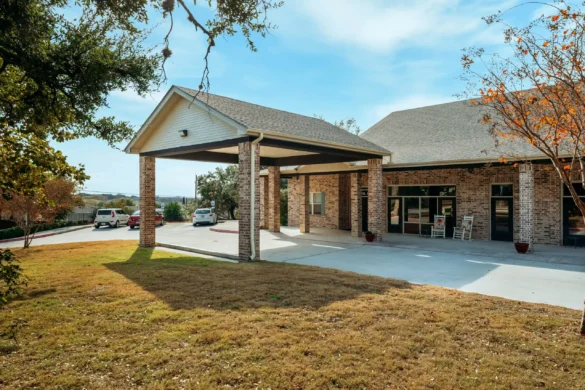
The Social Hub: Changing Seasons on Blanco in San Antonio is a larger community with nearly 70 beds, activities throughout the day, and a lively atmosphere. Perfect for seniors who thrive on energy, variety, and having plenty of neighbors around.
The Intimate Cottage: For those who prefer smaller groups, communities like the Cottages at Danny Kaye, Honey’s House in Helotes, and Changing Seasons of Castroville offer a cozy, family-style setting where everyone knows your name. Roughly 16 beds, a central kitchen, and a staff-to-resident ratio of about 1 to 4. The social connections here tend to be deeper because the circle is smaller.
Neither is better. The right choice depends on the person. Some people bloom in a crowd. Others open up in a quiet room with two or three people they trust.
The Role of Consistent Routine in Social Success
Beyond just having events on a calendar, a consistent social routine provides something many seniors lose when they’re living alone: a reason to get up.
When a resident knows that their neighbors are expecting them for breakfast, or that a specific volunteer visit happens every Tuesday, it creates structure that wards off the apathy often associated with depression. The day has a shape. There’s somewhere to be.
This is especially important for seniors in the early stages of cognitive decline. Social cues from familiar people help them navigate the day with less anxiety and more confidence. The routine doesn’t just fill time. It provides a framework that makes everything else feel more manageable.
Intergenerational Connection and Community Outreach
A truly rich social life also involves staying connected to the world outside the community walls.
Local school choir performances, pet therapy visits, family-centered holiday events. These intergenerational moments are deeply life-affirming because they allow seniors to share their wisdom and stories with people who haven’t heard them yet. There’s something powerful about being useful, about being listened to, about mattering to someone who isn’t paid to care.
Moving into assisted living doesn’t mean retreating from the world. When it’s done right, it means engaging with it in a way that’s safe, supported, and deeply meaningful.
Finding Connection Again
Isolation doesn’t have to be part of aging. If you’re worried that your loved one is spending too much time alone, that worry is probably right. And the good news is that this is one of the most solvable problems in senior care. The right community changes everything.
At Changing Seasons, four family-owned communities across the San Antonio area are built around exactly this: connection, routine, and a social life that makes people feel like they belong. Every community is licensed for the full spectrum of care in Texas, so residents can stay as things change.
Even if we’re not the right fit, we’d rather help you find the right answer than let you figure it out alone. Schedule a tour to see our residents in action, or just call to talk it through.
Frequently Asked Questions
What if my loved one is an introvert?
Social life in assisted living doesn’t mean being the life of the party. It can be as simple as eating a meal with one other person or sitting in a common area reading near others. Good communities respect every resident’s social battery and offer different levels of engagement.
What kind of activities do you offer?
Activities range from holiday celebrations and live music to quiet craft sessions and movie nights. The calendar is shaped by the interests of the people who actually live there, not a corporate template.
Does social interaction help with dementia?
Yes. Meaningful social contact can reduce sundowning and help residents with dementia feel more secure and less agitated. The consistency of familiar faces and daily routines provides comfort that’s hard to replicate in isolation.
How do I know if my loved one is lonely at home?
Look for signs like a lack of interest in personal hygiene, a messy house, weight loss, or no desire to leave the house. These often signal that the effort of socializing has become too much to handle alone.
See also: Recognizing the Right Time: A Guide for Families Considering Assisted Living
Author: Changing Seasons Senior Living Team
